
Table of Contents
- Start with a Pre-Listing Home Inspection
- Declutter and Depersonalize Your Home
- Boost Curb Appeal Tips for Sellers
- Deep Clean and Refresh the Interior
- Handle Minor Repairs and Cosmetic Updates
- Hiring Professional Cleaning Contractors for Real Estate
- Best Home Improvements for Resale Value
- Prepare Your Home for Photography and Virtual Tours
- Frequently Asked Questions
Last Updated: September 21, 2026
Start with a Pre-Listing Home Inspection
To prepare home for listing effectively, a pre-listing home inspection identifies problems before buyers see them. This step prevents surprises during showings and gives you time to address issues that could derail a sale.
Skipping inspection costs money. When a buyer’s inspector uncovers problems you missed, you lose negotiating power and credibility.
Schedule an inspection 2-4 weeks before listing. This window gives you time to make repairs without rushing. Focus on major systems: roof, foundation, plumbing, electrical, HVAC, and appliances. Document everything in writing. You’ll need this information for disclosure forms, and it shows buyers you’ve done your homework.
According to the National Association of Home Inspectors, most inspections take 2-3 hours and cost between typical service rates for your area. The investment pays for itself when you avoid price reductions later.
Request a detailed written report, not just a verbal walkthrough. You need documentation for your listing agent and potential buyer negotiations. Photos of problem areas are especially valuable.
Declutter and Depersonalize Your Home
Decluttering and depersonalizing help buyers envision their own lives in the space.
Remove 30-50% of visible items: family photos, personal collections, excess furniture, and decorative pieces. Neutral, minimal interiors photograph better and appeal to a broader audience.
Pack away items you won’t need before closing. Use this time to organize closets, cabinets, and storage areas. Buyers always open these spaces. Empty shelves, labeled boxes, and organized systems signal that the home is move-in ready.
Remove religious items, political memorabilia, hobby collections, and family heirlooms, these create emotional distance. The goal is a blank canvas.
Don’t declutter so aggressively that rooms feel cold or uninviting. Keep some tasteful decor and furniture to show scale and function. The balance is sparse but livable.
Boost Curb Appeal Tips for Sellers
Curb appeal determines whether buyers exit their cars. Strong curb appeal photographs better and attracts serious buyers.
Trim bushes, mow the lawn, edge walkways, and remove dead plants. Mulch flower beds and plant seasonal flowers in neutral colors like white, light purple, or pale yellow.
Power wash the driveway, walkway, and exterior walls. A clean exterior can add thousands to perceived value and is one of the highest-ROI improvements before listing.
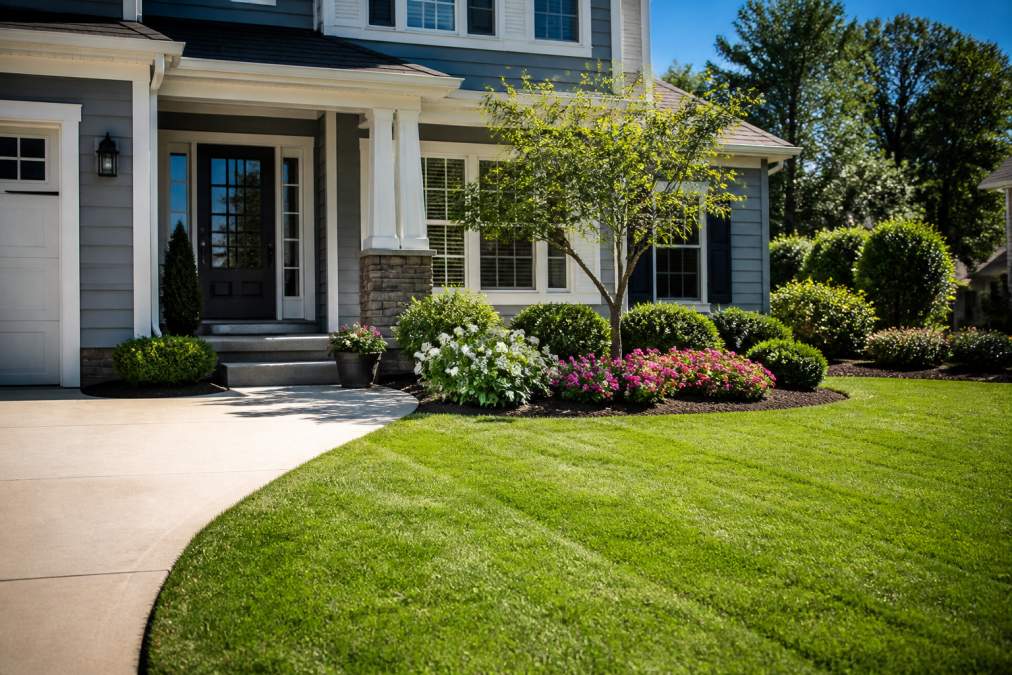
Paint the front door dark gray, navy, or black. Replace tarnished hardware, add a new mailbox and house numbers. These small touches signal the home is cared for.
Ensure outdoor lighting works. Replace burned-out bulbs and add uplighting to highlight landscaping features. Good lighting makes evening showings safer and more inviting.
Deep Clean and Refresh the Interior
Deep cleaning removes grime that accumulates over years. Buyers notice dirty baseboards, dusty fans, and grimy grout, details that suggest poor maintenance.
Clean every surface: walls, ceilings, fixtures, baseboards, and sills. Vacuum under furniture and behind appliances. Professional carpet cleaning removes stains and odors.
Kitchens and bathrooms influence buying decisions disproportionately. Scrub grout until bright, clean inside cabinets and appliances, and replace tarnished hardware.
Professional cleaners use commercial-grade equipment to eliminate deep-set stains, odors, and dirt that homeowner tools cannot reach.
Open windows before showings and use neutral-scented air fresheners, not heavy perfumes.
Handle Minor Repairs and Cosmetic Updates
Prioritize repairs that remove buyer objections. A leaky faucet or broken light switch signals neglect and justifies lower offers.
Critical Repairs (Must Fix)
These repairs directly influence buyer confidence and inspection outcomes. Fix them before listing:
- Leaky faucets and running toilets: These signal poor maintenance and waste water. Buyers notice immediately. Repair costs $100-$300 per fixture but removes a major objection.
- Broken light switches and outlets: Replace any that don’t work or are visibly damaged. Non-functional switches suggest electrical issues. Cost: $50-$150 per switch.
- Drywall holes and damage: Patch and paint any visible holes, dents, or water stains. These are among the first things buyers notice and suggest carelessness. Cost: $100-$400 depending on extent.
- Squeaky doors and sticky locks: Lubricate hinges and test all locks. Doors that don’t close smoothly or locks that jam frustrate buyers during showings and raise concerns about structural settling or poor maintenance. Cost: $0-$100.
- Caulking gaps around baseboards, trim, and windows: Gaps accumulate dust and suggest poor upkeep. Recaulk with paintable caulk. Cost: $100-$300.
- Broken or missing weatherstripping: Worn weatherstripping around doors and windows signals energy inefficiency. Replace for $100-$300.
- Tarnished or broken hardware: Cabinet handles, door knobs, and hinges that are corroded or broken look neglected. Replace with modern, neutral finishes. Cost: $200-$500.
Cosmetic Refreshes (High Impact)
These updates don’t fix problems but make spaces feel newer and more appealing:
- Interior paint: Use neutral colors, soft whites, light grays, warm beiges, or pale greige. Avoid bold colors, dark walls, or trendy finishes. Neutral paint makes spaces feel larger and appeals to the broadest audience. Paint the main living areas, bedrooms, and hallways. Cost: $1,500-$3,500 for a typical home, or $0 if you DIY.
- Cabinet hardware: Replace outdated knobs and pulls with modern finishes like brushed nickel, matte black, or polished chrome. This single update transforms kitchen and bathroom cabinets. Cost: $200-$500.
- Light switch and outlet covers: Replace yellowed, cracked, or outdated covers with modern white or brushed nickel versions. Cost: $50-$150.
- Faucet aerators and showerheads: Replace old, corroded aerators with modern, water-efficient versions. This signals environmental consciousness and lower water bills. Cost: $50-$200.
- Caulking and grout refresh: Recaulk around bathtubs and showers with bright white caulk. Scrub grout until it’s clean; if it’s permanently stained, consider grout sealer or professional restoration. Cost: $100-$400.
Repairs to Skip (Low Priority)
These repairs are nice-to-have but don’t significantly influence buyer decisions:
- Cosmetic scratches on hardwood floors: Buyers expect some wear. Unless floors are visibly damaged, skip refinishing before listing. Refinishing costs $1,500-$3,000 and rarely returns its cost.
- Minor paint touch-ups: Focus on full-room repaints, not spot repairs. Patchy touch-ups look worse than consistent color.
- Replacing perfectly functional appliances: If appliances work, leave them. Buyers often want to choose their own.
- Fixing minor cosmetic issues on exterior siding: Small cracks or chips are acceptable. Focus on pressure washing and landscaping instead.
Buyers interpret small failures as signals of larger problems. A leaky faucet, broken switch, or sticky door raises red flags. These cost little to fix but cost a lot in buyer confidence. Cosmetic updates signal care and modernity, fresh paint, updated hardware, and bright caulk tell buyers the home is move-in ready.
The goal is “move-in ready.” Every visible repair you complete removes an objection. Every cosmetic update signals that the home has been cared for. Prioritize repairs that remove doubt; cosmetic updates follow naturally.
Hiring Professional Cleaning Contractors for Real Estate
Professional cleaners deliver results DIY efforts cannot match. When you prepare home for listing, hire contractors for carpet, tile, grout, and pressure washing.
Verify IICRC certification and proof of insurance. Ask about their process, equipment, and guarantees.
Get multiple quotes, but don’t choose based on price alone. Request references from recent real estate transactions.
Schedule professional cleaning 3-5 days before your first showing to ensure everything is fresh without accumulating dirt before open houses.
Schedule professional cleaning 3-5 days before your first showing. This timing ensures everything is fresh without accumulating dirt before open houses.
Best Home Improvements for Resale Value
Understanding which updates buyers value is critical to maximizing your listing price without overspending.
Kitchen Updates (High ROI)
Kitchen improvements deliver 50-80% ROI. Replace cabinet hardware, paint cabinet doors, install new faucets, and update lighting. These changes cost $2,000-$5,000 and make kitchens feel contemporary without new countertops or appliances.
Bathroom Improvements (High ROI)
Update bathroom fixtures, recaulk tile and grout, and paint walls in soft, neutral tones.
- Swimming pools and hot tubs: These appeal to a niche market and carry liability concerns. Many buyers see them as maintenance burdens, not assets. Skip unless the pool is already in excellent condition.
- Highly personal upgrades: Specialized rooms (home gyms, wine cellars, hobby studios) appeal to specific buyers and may reduce your market. Stick to neutral spaces.
- Major appliance replacements: Buyers often want to choose their own appliances. Unless an appliance is broken, leave it. A functioning refrigerator, stove, and dishwasher are sufficient.
- Full kitchen or bathroom renovations: These cost $15,000-$50,000+ and rarely return their full investment in a pre-listing timeframe. Cosmetic updates deliver better ROI.
- Roof replacement: Only replace if the roof is actively leaking or failing inspection. Buyers expect roofs to have remaining life; a roof in fair condition is acceptable.
- Structural or foundation repairs: These are mandatory if inspection reveals problems, but they’re not “improvements”, they’re requirements to pass inspection.
Prepare Your Home for Photography and Virtual Tours
Professional photography and virtual tours drive buyer interest online. Most buyers begin their search on listing websites, not by visiting in person. Your home’s digital presentation determines whether serious buyers request a showing.
Ask your listing agent about drone photography if your home has appealing exterior features. Aerial views of landscaping, pools, or views can be significant selling points.
Frequently Asked Questions
What are the most important repairs to make before selling a house?
Focus on structural issues, safety hazards, and systems that affect the home’s core function: roof leaks, foundation cracks, electrical problems, plumbing failures, and HVAC issues. These are non-negotiable for buyers and inspectors. Cosmetic repairs like paint and fixtures matter, but a buyer will walk away from a home with major system failures. A pre-listing inspection identifies which repairs are critical versus optional.
Does deep cleaning a house increase its resale value?
Yes, visible cleanliness directly influences buyer perception and speeds up the sale. Deep cleaning removes stains, odors, and dirt that suggest neglect or poor maintenance. Professional deep cleaning of carpets, tile, grout, and exterior surfaces can help improve the home’s appearance. Studies show that homes with professional cleaning sell faster and often command higher offers than visibly dirty properties.
How much should I spend on home improvements before listing?
Prioritize improvements with the highest ROI: fresh paint, landscaping, lighting upgrades, and professional cleaning. Avoid major renovations unless your home is significantly below market standards. A budget-friendly refresh, decluttering, deep cleaning, minor repairs, and cosmetic updates, often yields better returns than expensive remodels. Talk to your listing agent about which improvements matter most in your market.
Should I pressure wash my home exterior before listing?
Yes. Pressure washing removes dirt, mold, algae, and stains from siding, driveways, decks, and patios, creating a powerful first impression. A clean exterior signals proper maintenance and increases curb appeal dramatically. Professional pressure washing can be a good option for cleaning, especially on older decks or delicate surfaces. It’s one of the highest-ROI preparation steps and should be part of your pre-listing plan.